

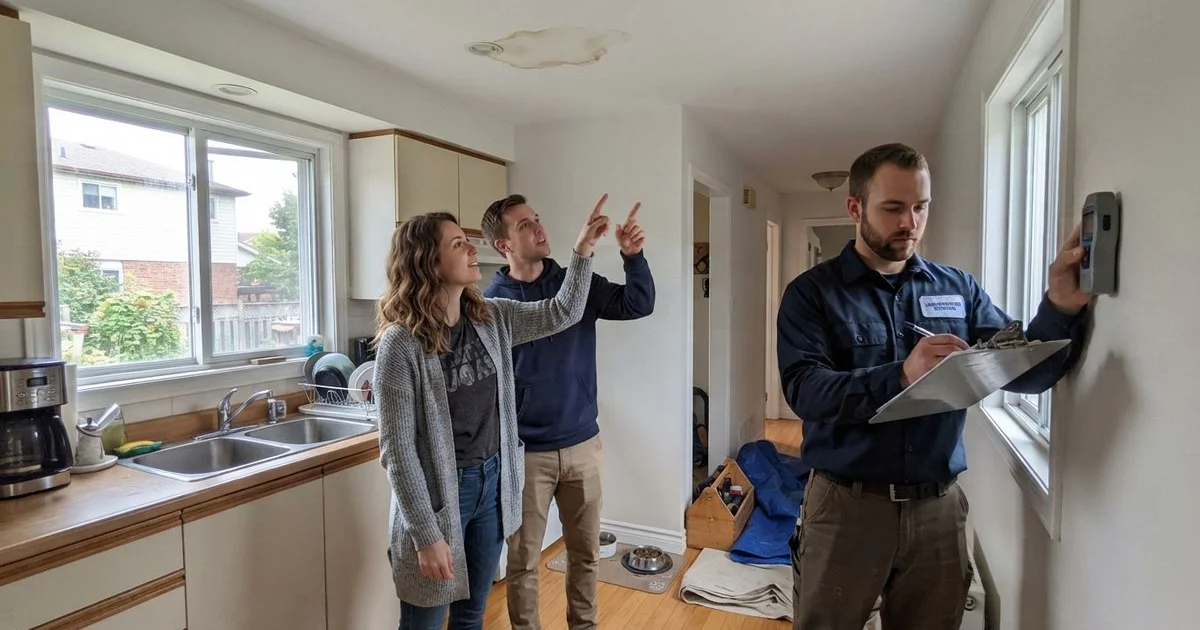
Buying your first home is an exciting milestone, but unexpected problems such as water damage can quickly turn that excitement into stress. Whether the damage results from a burst pipe, leaking appliance, roof leak, heavy rainfall, or basement flooding, knowing what to expect during the repair process can help homeowners make informed decisions and avoid unnecessary complications.
Water damage is not always limited to what is visible. Moisture can spread behind walls, beneath flooring, inside insulation, and into other hidden spaces. For first-time homeowners, understanding how professionals inspect, dry, clean, and restore affected areas is essential to protecting the property.
This guide explains the major stages of water damage repair, what homeowners should prepare for, and how to make the restoration process more manageable.
1. Understanding the Extent of Water Damage
The first step in any water damage repair project is identifying how far the moisture has spread. A small leak may appear harmless initially, but water can travel through flooring, drywall, ceilings, and structural materials.
Common signs of water damage include:
-
Water stains on ceilings or walls.
-
Swollen or warped flooring.
-
Peeling paint or bubbling wallpaper.
-
Musty odors in enclosed spaces.
-
Damp carpets and upholstery.
-
Visible mold growth.
-
Discoloration around windows, doors, or plumbing fixtures.
Professional restoration technicians inspect the affected areas to determine the source of the water and identify materials that may need specialized treatment or replacement.
First-time homeowners should understand that the visible damage does not always represent the full extent of the problem. A thorough inspection helps prevent hidden moisture from causing additional issues later.
2. Stopping the Source of Water
Before restoration work can begin, the source of the water must be controlled. Continuing leaks can damage newly repaired materials and make the restoration process more complicated.
Depending on the situation, homeowners may need to:
-
Shut off the main water supply if a pipe has burst.
-
Turn off the water supply to a leaking appliance.
-
Arrange professional roof repairs if rainwater is entering the property.
-
Contact a qualified plumber to repair damaged pipes.
-
Address drainage problems that allow water to enter the basement.
If flooding involves electrical outlets, appliances, or electrical equipment, avoid entering the affected area until it has been confirmed safe. Never touch electrical equipment while standing in water.
Stopping the water source is essential because drying and repairing a property without addressing the original problem can lead to repeated damage.
3. What Happens During a Professional Water Damage Inspection?
Once the water source is controlled, restoration professionals assess the condition of the property. This inspection helps determine which materials can be dried and saved and which may need removal.
Technicians commonly use moisture meters, thermal imaging equipment, and other inspection tools to identify damp areas that are not immediately visible.
The inspection may cover:
-
Walls and ceilings.
-
Carpets and flooring.
-
Cabinets and built-in furniture.
-
Basement walls and foundations.
-
Insulation and structural materials.
-
Crawl spaces and other enclosed areas.
The restoration team may also document the damage with photographs and written reports. These records can be useful when discussing the incident with an insurance company.
For new homeowners, this stage provides a clearer understanding of the work involved, the expected timeline, and the materials that may require replacement.
4. Water Extraction: Removing Standing Water
If the property contains standing water, extraction is usually one of the first major restoration activities. Professionals use specialized pumps, wet vacuums, and extraction equipment to remove accumulated water.
The amount of equipment required depends on the severity of the flooding and the size of the affected area.
For example, a small laundry room leak may require limited extraction, while a flooded basement may need powerful pumps and several pieces of equipment.
Removing water quickly helps reduce the amount of moisture absorbed by building materials. It also prepares the property for the next stage: structural drying.
First-time homeowners should avoid relying on household fans or ordinary vacuums to handle significant flooding. Professional equipment is designed to manage larger quantities of water and support a more controlled restoration process.
5. Structural Drying and Dehumidification
After standing water has been removed, the property must be thoroughly dried. This is one of the most important stages because moisture can remain trapped inside building materials even when surfaces appear completely dry.
Restoration professionals typically use:
-
Air movers: Circulate air across wet surfaces to accelerate evaporation.
-
Commercial dehumidifiers: Remove excess moisture from indoor air.
-
Moisture meters: Measure moisture levels in walls, floors, and other materials.
-
Specialized drying equipment: Help reach difficult areas, including enclosed spaces and beneath flooring.
Homeowners should expect this equipment to remain in place for several days, depending on the severity of the damage and the materials involved.
The equipment may produce noticeable noise and warm air while operating. Although it can be inconvenient, homeowners should not turn it off or move it without consulting the restoration team.
Professionals monitor moisture levels throughout the process to confirm that affected materials have reached appropriate drying conditions.
SERVPRO+1
6. Removing Damaged Materials
Not every water-damaged material can be saved. Some building components absorb moisture quickly and may become too damaged to restore safely.
Depending on the inspection results, professionals may recommend removing:
-
Waterlogged drywall.
-
Damaged insulation.
-
Severely warped laminate flooring.
-
Saturated carpeting and padding.
-
Damaged baseboards and trim.
-
Materials contaminated by sewage or floodwater.
For first-time homeowners, seeing sections of walls or flooring removed can be surprising. However, removing unsalvageable materials allows technicians to access hidden moisture and properly dry the underlying structure.
Before approving extensive removal work, ask the contractor to explain why each material needs to be removed and whether photographs or moisture readings support the recommendation.
7. Cleaning, Sanitizing, and Odor Removal
Water damage can leave behind dirt, unpleasant odors, and potentially harmful contaminants. This is especially concerning when the water comes from overflowing drains, sewage backups, or outdoor flooding.
Professional cleaning may involve:
-
Cleaning affected floors and walls.
-
Sanitizing appropriate surfaces.
-
Treating salvageable furniture and belongings.
-
Removing lingering musty odors.
-
Using air filtration equipment when necessary.
The cleaning method depends on the source and contamination level of the water.
For example, a clean-water plumbing leak generally requires a different cleaning approach from sewage-contaminated flooding. Materials exposed to contaminated water may need to be discarded rather than reused.
Homeowners should ask which cleaning products and treatments will be used and whether the affected rooms are safe to occupy during the process.
8. Understanding the Water Damage Repair Timeline
One of the biggest concerns for first-time homeowners is how long the entire restoration process will take.
Unfortunately, there is no single timeline that applies to every property. A small plumbing leak may require only limited drying and repairs, while extensive basement flooding can involve several weeks of work.
Here is a general overview:
| Restoration stage | What to expect |
|---|---|
| Initial inspection | Usually completed during the first visit |
| Water extraction | Often completed within hours, depending on flooding |
| Structural drying | Commonly takes several days |
| Cleaning and sanitizing | Depends on contamination and affected materials |
| Repairs and reconstruction | May take days or several weeks |
| Final inspection | Completed after repairs and drying verification |
These are general estimates rather than guaranteed deadlines. Material types, moisture levels, contamination, contractor availability, and insurance approvals can all affect the schedule.
restoreadvisor.com+1
First-time homeowners should request regular progress updates so they know which stages have been completed and what remains.
9. Navigating Homeowners Insurance
Insurance can be confusing for people who have recently purchased their first property. Understanding the policy before approving major restoration expenses can help prevent unexpected financial problems.
Homeowners insurance may cover certain types of sudden and accidental water damage, such as damage caused by an unexpected burst pipe. However, coverage depends on the policy, the cause of the damage, exclusions, and applicable deductibles.
Some situations, including gradual leaks, neglected maintenance, and certain types of flooding, may not be covered under a standard homeowners policy.
To make the claims process easier, homeowners should:
-
Photograph and document all visible damage.
-
Contact their insurance company promptly.
-
Keep receipts for emergency expenses.
-
Save plumbing components or other damaged parts when practical.
-
Request written restoration estimates.
-
Keep copies of inspection reports and repair invoices.
-
Ask the insurance adjuster about coverage before approving non-emergency reconstruction.
Remember that preventing further damage should remain a priority. Do not delay necessary emergency measures while waiting for an insurance decision.
10. What Happens During Reconstruction?
Once the property has been properly dried and damaged materials have been removed, reconstruction can begin.
This stage focuses on returning the affected rooms to a functional and comfortable condition.
Depending on the extent of the damage, reconstruction may include:
Drywall replacement: Contractors install new drywall where damaged sections were removed, followed by finishing, sanding, and painting.
Flooring installation: Damaged flooring may be replaced with suitable materials that complement the existing interior.
Cabinet repairs: Kitchen and bathroom cabinets may require repairs or complete replacement if moisture has affected their structure.
Painting and finishing: Repaired surfaces receive primer, paint, trim, and other finishing details.
Electrical and plumbing work: Qualified professionals inspect and repair affected systems when necessary.
For first-time homeowners, this is the stage when the property begins to look normal again. However, it is important to confirm that hidden moisture problems have been addressed before new materials are installed.
11. How to Choose the Right Water Damage Restoration Company
Choosing a reliable restoration company can make a significant difference in the quality and efficiency of the repair process.
First-time homeowners may not know which questions to ask, but evaluating a contractor carefully can help avoid poor workmanship and unexpected expenses.
Consider these factors when comparing restoration companies:
-
Experience: Look for professionals with experience handling residential water damage.
-
Proper equipment: Confirm that the company has suitable extraction and structural drying equipment.
-
Inspection procedures: Ask how technicians identify hidden moisture.
-
Written estimates: Request a detailed explanation of recommended services and costs.
-
Communication: Choose a team that provides regular updates and explains important decisions.
-
Credentials and insurance: Verify relevant training, certifications, licensing where required, and liability coverage.
-
References: Ask whether the company can provide examples of previous restoration projects.
Homeowners in Bowie may encounter different types of water damage, including plumbing leaks, basement flooding, appliance failures, and storm-related moisture problems. Working with an experienced local professional can help ensure that the restoration plan addresses the specific conditions affecting the property.
When researching water damage restoration bowie md, homeowners should prioritize companies that offer thorough inspections, documented drying procedures, transparent pricing, and appropriate repair solutions.
12. Preparing Your Home for Future Water Damage
Although water damage cannot always be prevented, regular maintenance can reduce the likelihood of unexpected problems.
New homeowners should develop a simple maintenance routine that includes:
-
Inspecting plumbing connections for leaks.
-
Checking washing machine and dishwasher hoses.
-
Cleaning gutters and downspouts.
-
Examining the roof for damaged shingles.
-
Testing sump pumps when installed.
-
Checking basement walls for moisture.
-
Maintaining proper drainage around the foundation.
-
Knowing where the main water shutoff valve is located.
It is also helpful to understand the location of electrical panels, plumbing shutoffs, and important utility connections before an emergency occurs.
Taking these precautions can help homeowners identify problems early and reduce the likelihood of extensive repairs.
13. Common Mistakes First-Time Homeowners Should Avoid
When dealing with water damage for the first time, it is easy to make decisions that unintentionally increase the damage.
Some common mistakes include:
Waiting too long to request professional help: Delayed action allows moisture to spread into additional materials and increases the possibility of mold growth.
Ignoring hidden moisture: A dry-looking wall or floor does not necessarily mean the underlying materials are completely dry.
Starting repairs too early: Installing new flooring or drywall before moisture levels are properly checked can trap moisture inside the structure.
Using unsuitable cleaning products: Household cleaning solutions may not be appropriate for every type of water contamination.
Ignoring the original cause: Repairing visible damage without fixing the source of the water can result in recurring problems.
Failing to document the damage: Missing photographs, receipts, and inspection records can make insurance discussions more difficult.
Avoiding these mistakes helps protect the property and makes the restoration process more organized.
14. What to Check Before Considering the Restoration Complete
Before accepting the completed restoration project, homeowners should arrange a final walkthrough with the contractor.
Use this opportunity to confirm that:
-
All affected areas have been inspected.
-
Moisture readings meet the agreed drying goals.
-
Damaged materials have been properly replaced.
-
Flooring and walls have been finished correctly.
-
There are no unexplained musty odors.
-
Plumbing or other original problems have been addressed.
-
The work area has been cleaned.
-
Final invoices and relevant documentation have been provided.
Do not rely exclusively on how the room looks. Proper moisture verification and documentation are important parts of a successful restoration project.
Conclusion
Experiencing water damage as a first-time homeowner can be overwhelming, especially when you are unfamiliar with the inspection, extraction, drying, cleaning, and reconstruction stages. However, understanding what happens at each stage makes it easier to prepare, communicate with contractors, and make informed decisions.
The most important priorities are to stop the source of the water, address safety concerns, remove standing water, and ensure that hidden moisture is properly eliminated before reconstruction begins.
With prompt action, professional assistance, careful documentation, and regular home maintenance, homeowners can reduce further damage and restore their properties to a safe and comfortable condition. Being prepared also gives first-time homeowners greater confidence when dealing with unexpected property repairs in the future.
