

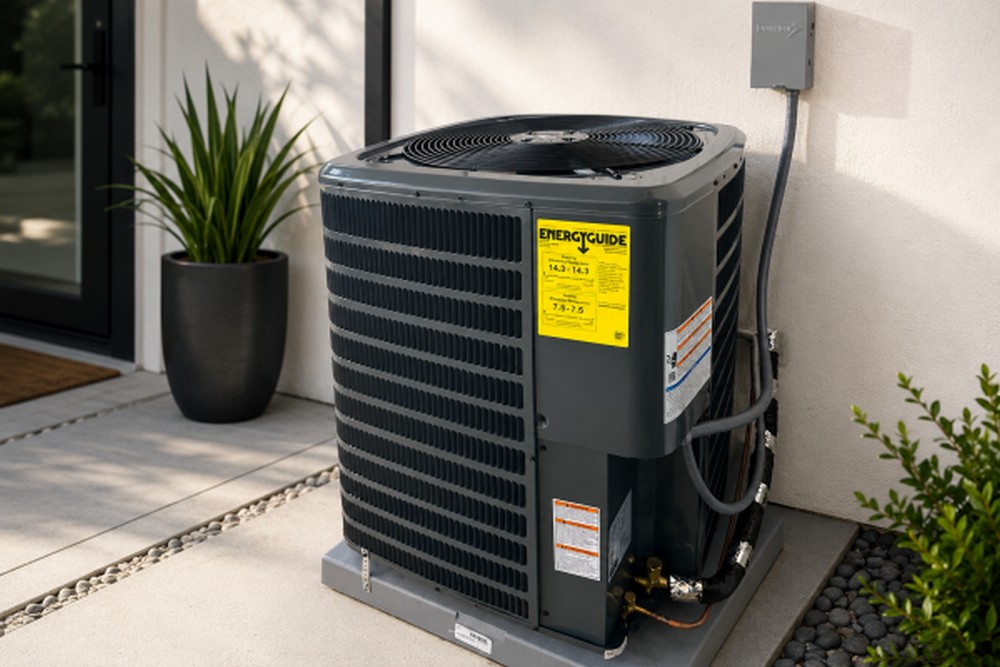
Regular furnace maintenance is one of the simplest ways homeowners can reduce the likelihood of unexpected heating problems. While no maintenance plan can prevent every breakdown, routine inspections, cleaning, and timely replacement of worn components can help identify developing issues before they become larger failures. Furnace manufacturers and ENERGY STAR recommend regular attention to filters, airflow, combustion components, heat exchangers, electrical connections, and venting.
For homeowners planning ahead, understanding the connection between maintenance and repairs can make it easier to protect both comfort and the heating system itself.
Why Regular Furnace Maintenance Matters
A furnace operates through several interconnected components. Filters, blowers, burners, ignition systems, heat exchangers, thermostats, electrical controls, and ventilation components all need to work properly for the system to provide consistent heat.
Dust accumulation, restricted airflow, loose electrical connections, dirty burners, or developing mechanical problems can gradually affect performance. Regular maintenance gives a qualified technician an opportunity to identify these conditions before they develop into more disruptive failures.
Replace or Clean the Furnace Filter Regularly
One of the easiest maintenance tasks is checking the air filter. A dirty filter can restrict airflow, forcing the furnace to work harder and potentially increasing stress on components such as the blower motor and heat exchanger. ENERGY STAR recommends checking, cleaning, or replacing filters regularly, while manufacturers may provide specific intervals based on the equipment and filter type.
Homes with pets, significant dust, or heavier system usage may require more frequent filter attention. Instead of relying on one universal schedule, homeowners should follow the furnace manufacturer’s recommendations and inspect the filter regularly.
Keep Airflow Unrestricted
Proper airflow is essential for furnace performance. Closed or blocked registers, dirty filters, obstructed returns, and ductwork problems can make it more difficult for heated air to circulate throughout the home.
Restricted airflow can also increase operating stress. During maintenance, a technician can examine the blower, ductwork, return-air system, and other components that influence airflow. Addressing these problems early may help reduce unnecessary wear and improve comfort.
Schedule Professional Furnace Inspections
Homeowners can handle simple tasks such as filter replacement and basic thermostat checks, but important furnace components require professional attention. A professional maintenance visit may include checking the burner, igniter, gas valve, heat exchanger, blower assembly, electrical connections, flue, ductwork, and fuel-supply components.
Annual professional service is commonly recommended for gas furnaces, although the appropriate schedule can depend on the equipment, manufacturer instructions, age, condition, and usage.
Catch Small Problems Before They Become Major Repairs
A minor furnace problem does not necessarily remain minor. For example, unusual noises, repeated cycling, inconsistent heating, or rising energy consumption may indicate that a component needs attention.
Routine maintenance can help uncover developing problems before the furnace experiences a complete failure. This does not guarantee that an emergency breakdown will never occur, but early detection can provide an opportunity to address certain problems while they are still manageable.
Pay Attention to Unusual Furnace Sounds
Homeowners should pay attention when a normally quiet furnace begins making unfamiliar sounds. Rattling, grinding, squealing, banging, or repeated clicking can sometimes indicate loose parts, blower problems, ignition issues, or other mechanical concerns.
Ignoring persistent changes in sound may allow an underlying problem to continue. Having unusual noises inspected promptly can help determine whether maintenance, adjustment, or repair is necessary.
Protect the Heat Exchanger
The heat exchanger is an important furnace component because it separates combustion gases from the air circulated through the home. A damaged or cracked heat exchanger can create a serious safety concern, particularly with gas furnaces.
Professional maintenance can include inspection of the heat exchanger for corrosion, cracks, holes, or other signs of deterioration. This is one reason homeowners should not attempt to perform complex internal furnace repairs themselves.
Keep Burners and Combustion Components Clean
Gas furnaces depend on proper combustion to produce heat efficiently and safely. Dirt or buildup around burners and related components can affect furnace operation.
During professional maintenance, technicians can inspect and clean applicable combustion components and verify that the furnace is operating according to manufacturer specifications. Regular attention to these components can help identify combustion-related problems before they cause more significant operating issues.
Check Electrical Components and Controls
Modern furnaces depend on electrical controls, wiring, sensors, motors, and ignition components. Loose connections, damaged wires, or failing controls can cause intermittent operation or complete shutdowns.
Professional maintenance provides an opportunity to inspect these components and identify visible problems. Addressing an electrical issue before it causes a larger failure may reduce the chance of an inconvenient heating interruption.
Prepare the Furnace Before You Need It Most
Scheduling maintenance before periods of heavy heating use can be a practical strategy for homeowners. A furnace that has been sitting unused for an extended period may reveal problems only when it is switched on.
A preseason inspection allows homeowners to identify issues, replace filters, clean components, and confirm basic operation before an unexpected cold spell creates an urgent need for heat.
Know When Maintenance Is No Longer Enough
Maintenance is designed to prevent or identify problems, but it cannot reverse severe component damage or the normal effects of an aging furnace. If a system repeatedly requires repairs, has major component failures, or approaches the end of its expected service life, homeowners may need to compare continued repairs with replacement.
The appropriate decision depends on factors such as the furnace’s age, condition, repair requirements, operating performance, and expected remaining service life.
Choosing Professional Furnace Repair in Orange County
When maintenance reveals a problem, prompt professional attention can help prevent a small issue from becoming a larger one. Homeowners searching for furnace repair Orange County should look for qualified HVAC professionals who can diagnose the actual cause of the problem rather than simply replacing parts without identifying why the failure occurred.
For gas furnaces in particular, repairs involving gas lines, combustion systems, electrical components, or heat exchangers should be handled by appropriately qualified professionals.
A Simple Furnace Maintenance Routine
A practical maintenance routine can include:
- Checking the furnace filter regularly.
- Keeping supply and return vents unobstructed.
- Watching for unusual sounds, odors, or operating patterns.
- Paying attention to unexplained increases in energy use.
- Keeping the furnace area reasonably clean and free of obstructions.
- Scheduling professional furnace maintenance according to manufacturer recommendations.
- Addressing warning signs instead of repeatedly resetting the system.
- Keeping records of maintenance and repairs.
These steps cannot eliminate every possible furnace failure, but they can support better system care and earlier identification of developing problems.
Final Thoughts
Regular furnace maintenance is a proactive approach to reducing avoidable repairs. Clean filters, unrestricted airflow, professional inspections, and timely attention to unusual furnace behavior can reduce operating stress and help identify developing problems before they become major issues.
For Orange County homeowners, maintaining the furnace before and during the heating season can support dependable operation, better comfort, and potentially fewer unexpected repair situations. The exact maintenance requirements should always follow the furnace manufacturer’s instructions and the recommendations of a qualified HVAC professional.
