
Close Menu
insideexpress.co
    Facebook X (Twitter) Instagram
    insideexpress.co
    • Home
    • Latest
      • Example Post
      • Typography
    • Contact
    insideexpress.co
    Home » The Ultimate Guide to Track Loader Parts: Improve Performance, Reduce Downtime, and Maximize ROI
    Business

    The Ultimate Guide to Track Loader Parts: Improve Performance, Reduce Downtime, and Maximize ROI

    m.najafbhatti@gmail.comBy m.najafbhatti@gmail.comJune 8, 2026No Comments4 Mins Read
    Facebook Twitter Pinterest LinkedIn Tumblr Email
    Share
    Facebook Twitter LinkedIn Pinterest Email

    Track loaders are essential machines in construction, landscaping, agriculture, and material handling. Known for their stability, traction, and ability to operate in tough terrain, these machines are only as reliable as the parts that keep them running.

     Whether you’re a contractor, fleet manager, or equipment owner, understanding track loader parts is crucial for maintaining performance, minimizing downtime, and extending machine lifespan.

    In this guide, we’ll break down the key track loader parts, their functions, maintenance tips, and how to choose the right replacements.

    What Are Track Loader Parts?

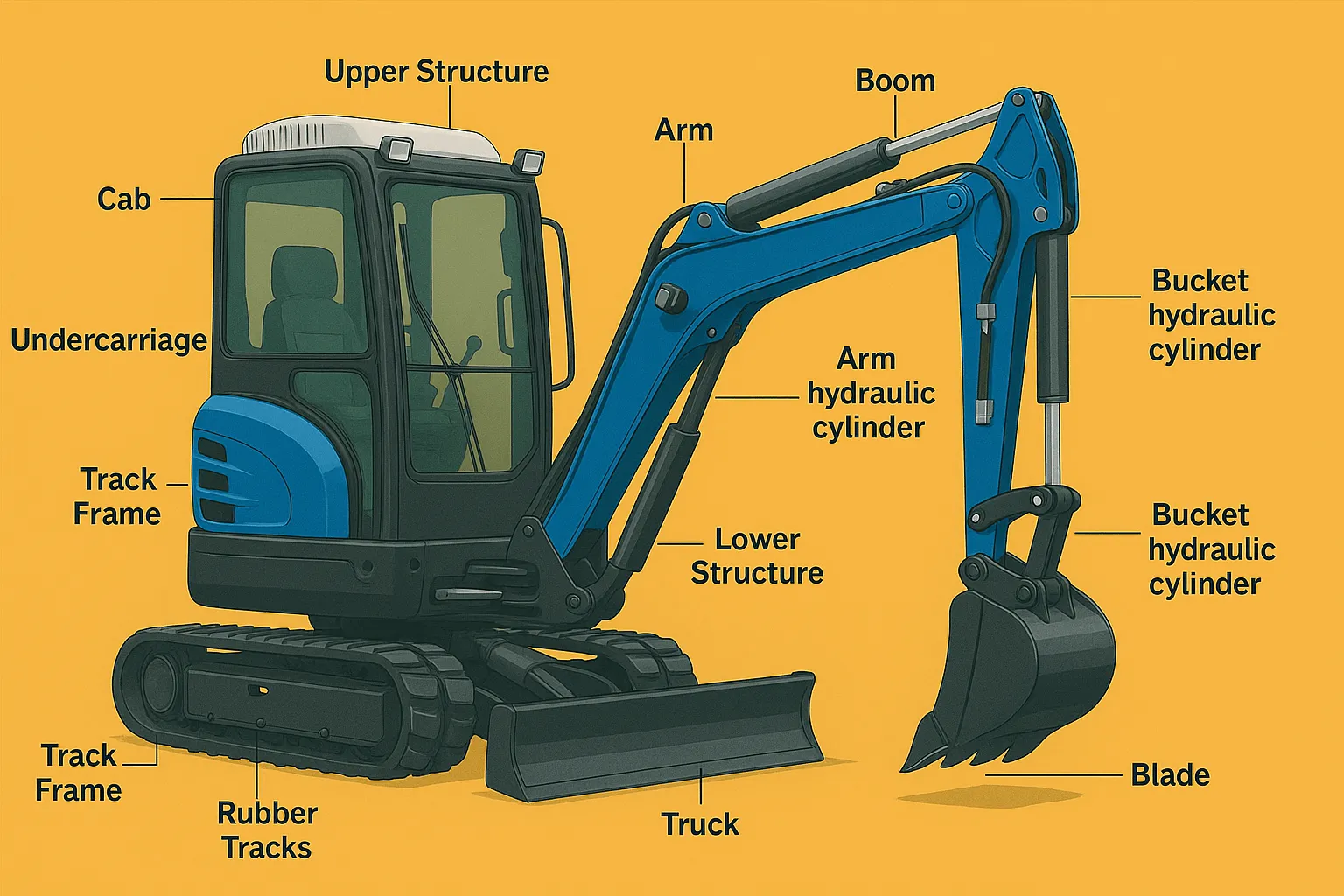
    Track loader parts refer to the components that make up a compact track loader (CTL) or crawler loader. These machines use rubber or steel tracks instead of wheels, allowing them to perform efficiently on uneven, muddy, or soft ground.

    Each part plays a vital role in ensuring the loader operates smoothly, safely, and efficiently. From undercarriage components to hydraulic systems, every element contributes to the machine’s overall productivity.

    Key Track Loader Parts You Should Know

    1. Undercarriage Components

    The undercarriage is one of the most critical and wear-prone areas of a track loader.

    • Tracks (Rubber or Steel): Provide traction and stability
    • Rollers: Support the weight of the machine
    • Idlers: Guide the track and maintain alignment
    • Sprockets: Drive the track system

    Since the undercarriage absorbs constant stress, it accounts for a significant portion of maintenance costs.

    1. Hydraulic System Parts

    Hydraulics power the movement and attachments of a track loader.

    • Hydraulic pumps
    • Cylinders
    • Hoses and fittings
    • Control valves

    A well-maintained hydraulic system ensures smooth operation and precise control.

    1. Engine Components

    The engine is the heart of your track loader.

    • Air filters
    • Fuel injectors
    • Oil filters
    • Cooling systems

    Regular servicing of engine parts helps maintain fuel efficiency and prevents breakdowns.

    1. Attachment Parts

    Track loaders are versatile due to their ability to use multiple attachments.

    • Buckets
    • Augers
    • Grapples
    • Trenchers

    Each attachment has its own set of wear parts that need regular inspection and replacement.

    1. Electrical Components

    Modern track loaders rely heavily on electronics.

    • Sensors
    • Wiring harnesses
    • Control modules
    • Battery systems

    Faulty electrical parts can lead to performance issues or complete machine failure.

    Why High-Quality Track Loader Parts Matter

    Using high-quality or OEM-equivalent parts is not just a preference it’s a necessity. Inferior components can lead to:

    • Increased wear and tear
    • Frequent breakdowns
    • Higher long-term costs
    • Safety risks

    Investing in durable track loader parts ensures reliability, efficiency, and better resale value.

    Signs Your Track Loader Parts Need Replacement

    Ignoring early warning signs can lead to costly repairs. Watch out for:

    • Unusual vibrations or noise
    • Reduced machine performance
    • Uneven track wear
    • Hydraulic leaks
    • Overheating

    Routine inspections help identify issues before they escalate.

    Maintenance Tips to Extend Part Life

    Proper maintenance is the key to maximizing the lifespan of your track loader parts.

    Daily Checks

    • Inspect tracks for damage or debris
    • Check fluid levels
    • Look for leaks

    Weekly Maintenance

    • Clean undercarriage components
    • Tighten loose bolts and fittings
    • Inspect hydraulic hoses

    Scheduled Servicing

    • Replace filters regularly
    • Lubricate moving parts
    • Follow manufacturer service intervals

    Consistent maintenance reduces downtime and improves machine efficiency.

    OEM vs Aftermarket Track Loader Parts

    When replacing parts, you’ll often choose between OEM (Original Equipment Manufacturer) and aftermarket options.

    OEM Parts

    • Guaranteed compatibility
    • High reliability
    • Higher cost

    Aftermarket Parts

    • More affordable
    • Wide availability
    • Quality varies by supplier

    Choosing a trusted supplier is essential when opting for aftermarket parts.

    How to Choose the Right Track Loader Parts Supplier

    Not all suppliers are created equal. Look for:

    • Proven industry experience
    • Positive customer reviews
    • Wide inventory
    • Warranty offerings
    • Fast shipping options

    A reliable supplier ensures you get the right part when you need it, reducing costly downtime.

    The Cost of Ignoring Quality Parts

    Cutting corners on parts may seem cost-effective initially, but it often leads to:

    • Increased repair frequency
    • Reduced machine lifespan
    • Lower productivity
    • Unexpected downtime

    In contrast, investing in quality parts pays off through consistent performance and fewer repairs.

    Final Thoughts

    Track loaders are powerful machines designed to handle demanding tasks but their performance depends heavily on the quality and condition of their parts. By understanding key track loader components, maintaining them regularly, and choosing high-quality replacements, you can significantly improve efficiency and reduce operating costs.

    Whether you’re managing a fleet or operating a single machine, prioritizing the right track loader parts is a smart investment that ensures long-term productivity and reliability.

    Share. Facebook Twitter Pinterest LinkedIn Tumblr Email
    m.najafbhatti@gmail.com
    • Website

    Related Posts

    The Global Energy Shift: How LNG and Oil Price Dynamics Are Reshaping Asia’s Fuel Landscape

    October 15, 2026

    Building a Stronger Brand for Agricultural Products

    October 12, 2026

    Are Hotel Key Card Sleeves Really A Marketing Opportunity?

    July 8, 2026
    Leave A Reply Cancel Reply

    Demo
    Our Picks

    Remember! Bad Habits That Make a Big Impact on Your Lifestyle

    January 13, 2021

    The Right Morning Routine Can Keep You Energized & Happy

    January 13, 2021

    How to Make Perfume Last Longer Than Before

    January 13, 2021

    Stay off Social Media and Still Keep an Online Social Life

    January 13, 2021
    • Facebook
    • Twitter
    • Pinterest
    • Instagram
    • YouTube
    • Vimeo
    Don't Miss
    Education

    The Definitive Checklist for Choosing an International School in Bangkok

    By m.najafbhatti@gmail.comOctober 15, 20260

    The Definitive Checklist for Choosing an International School in Bangkok Bangkok has evolved into one of Southeast Asia’s most competitive education markets. Families relocating to Thailand — or those seeking alternatives to the national curriculum — now face a broad landscape of private institutions, each promising world-class credentials and globally recognized qualifications. Navigating this landscape requires more than campus tours and glossy brochures. This playbook provides a structured, step-by-step checklist for evaluating international schools bangkok and making a confident, well-informed enrollment decision. Step 1: Clarify Your Family’s Educational Goals The first item on any family’s checklist should be a clear articulation of educational philosophy and long-term aspirations. Is the primary concern academic rigor, bilingual development, artistic enrichment, or university pathway preparation? Answering these questions early shapes every subsequent evaluation criterion and prevents families from being swayed by marketing rather than substance. Families with plans to eventually relocate outside Thailand tend to prioritize internationally recognized curricula and curriculum continuity across year groups. Those committed to raising children in Bangkok long-term may weight language integration or local cultural fluency more heavily. Either way, goals should be documented in writing before any school visits begin — this creates a consistent evaluation lens across multiple institutions. Step 2: Verify Accreditation and Curriculum Framework Not all international credentials carry equal weight with universities abroad. When assessing any international academy, parents should verify accreditation status with recognized independent bodies such as the Council of International Schools (CIS) or the Western Association of Schools and Colleges (WASC). Accreditation signals that an institution meets externally audited standards — not just self-reported ones. Curriculum framework matters equally. The International Baccalaureate programme is widely regarded as the gold standard for globally transferable qualifications. Institutions classified as ib schools in bangkok are authorized directly by the International Baccalaureate Organization and subject to rigorous ongoing evaluation cycles. This distinction separates fully authorized programs from schools that merely aspire to IB alignment without formal standing. SISB School, for example, operates as an authorized IB World School offering programs across multiple year groups — a structure that provides genuine curriculum continuity from early childhood through the secondary diploma program. Step 3: Assess Campus Environment and Facilities A school’s physical environment communicates institutional priorities more clearly than any brochure. Families conducting campus visits should evaluate the following with specific questions rather than general impressions: — Library and research resources, including access to digital academic databases — Science and technology laboratories appropriate for the curriculum level being assessed — Sports and performing arts facilities, and the breadth of structured co-curricular programs — Student counseling, learning support, and wellbeing services…

    How Brands Are Winning with AI SEO, LinkedIn Content, and Magento Commerce

    October 15, 2026

    The Global Energy Shift: How LNG and Oil Price Dynamics Are Reshaping Asia’s Fuel Landscape

    October 15, 2026

    A Practitioner’s Framework for Evaluating Hotels Along Bangkok’s Srinakarin Corridor

    October 15, 2026

    Subscribe to Updates

    Get the latest creative news from SmartMag about art & design.

    About Us
    Our Picks

    Remember! Bad Habits That Make a Big Impact on Your Lifestyle

    January 13, 2021

    The Right Morning Routine Can Keep You Energized & Happy

    January 13, 2021

    How to Make Perfume Last Longer Than Before

    January 13, 2021
    • Home
    • Politics
    • Business
    • Technology
    • Buy Now

    Type above and press Enter to search. Press Esc to cancel.