

Active women place significant demands on their bodies every day. Whether they are athletes, fitness enthusiasts, busy professionals who exercise regularly, or mothers balancing multiple physical responsibilities, their musculoskeletal systems are constantly in motion. Running, lifting, stretching, bending, and even long hours of sitting followed by intense workouts can create stress on the spine and joints. Over time, this physical load can lead to stiffness, misalignment, muscle fatigue, and reduced mobility.
Chiropractic therapy offers a natural, non-invasive approach to supporting physical health and performance. It focuses on the relationship between the spine, nervous system, and overall body function. For active women, chiropractic care can be an important part of maintaining balance, preventing injuries, and improving overall well-being.
Understanding Chiropractic Therapy
Chiropractic therapy is centered on the idea that proper alignment of the spine supports optimal nervous system function. The spine protects the spinal cord, which is a major communication pathway between the brain and the rest of the body. When the spine is misaligned—often referred to as a subluxation—it can create tension, restrict movement, and interfere with how the body performs.
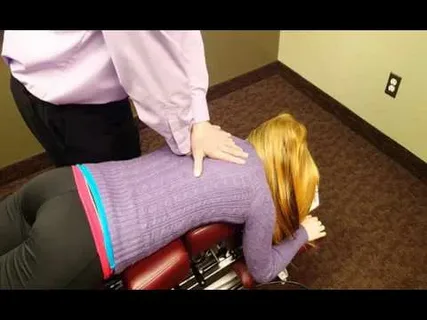
Chiropractors use manual adjustments and other techniques to help restore alignment, improve joint mobility, and reduce physical discomfort. These adjustments are typically gentle, targeted, and tailored to each individual’s condition and lifestyle. For active women, this personalized approach is especially valuable because no two bodies experience physical stress in exactly the same way.
Enhanced Physical Performance
One of the most significant benefits of chiropractic therapy for active women is improved physical performance. When the spine and joints are properly aligned, the body moves more efficiently. Muscles can function without unnecessary strain, and energy is distributed more effectively throughout movement.
For women who run, cycle, lift weights, or participate in sports such as tennis, yoga, or Pilates, chiropractic care can help optimize biomechanics. Better alignment allows for smoother movement patterns, which can translate into improved strength, flexibility, and endurance. Even small improvements in joint function can make a noticeable difference in overall performance.
Additionally, chiropractic adjustments may help reduce muscle tightness that restricts movement. When muscles are not compensating for misalignments, they can engage more naturally and powerfully during physical activity.
Injury Prevention and Recovery
Active lifestyles naturally come with a risk of injury. Overuse injuries, sprains, strains, and joint discomfort are common among women who exercise regularly. Chiropractic therapy can play a preventive role by identifying and addressing imbalances before they develop into more serious problems.
When the body is properly aligned, stress is distributed more evenly across muscles and joints. This reduces the likelihood of overloading specific areas such as the lower back, knees, or shoulders. Regular chiropractic care can also help identify early signs of dysfunction, allowing for timely intervention.
In addition to prevention, chiropractic therapy is widely used as part of recovery strategies. After an injury, the body may develop compensation patterns that affect posture and movement. Chiropractic adjustments can help restore normal function and support the healing process. Many active women find that incorporating chiropractic care into their recovery routine helps them return to activity more comfortably and confidently.
Relief from Muscle and Joint Tension
Muscle tension is a common issue for physically active women. Intense workouts, repetitive movements, and even daily stress can cause muscles to tighten and become fatigued. This tension often builds up in areas such as the neck, shoulders, lower back, and hips.
Chiropractic therapy helps relieve this tension by improving spinal alignment and joint mobility. When the skeletal system is balanced, muscles do not have to work as hard to maintain posture and movement. This can lead to a noticeable reduction in stiffness and discomfort.
Many women also experience relief from chronic tightness that may not be directly linked to exercise but rather to posture or lifestyle habits. For example, sitting at a desk for long periods followed by high-intensity workouts can create an imbalance in muscle engagement. Chiropractic care helps restore equilibrium between these opposing demands.
Improved Posture and Alignment
Posture plays a critical role in overall health and physical performance. Poor posture can affect breathing, circulation, and muscle efficiency. For active women, maintaining proper posture is essential for maximizing workout effectiveness and minimizing strain.
Chiropractic therapy supports postural alignment by addressing spinal imbalances that contribute to slouching, uneven shoulders, or pelvic misalignment. Over time, consistent care can help retrain the body to maintain a more natural and upright posture.
Improved posture also enhances core stability, which is essential for almost all forms of physical activity. A strong and aligned core reduces the risk of lower back pain and improves balance and coordination during movement.
Increased Flexibility and Range of Motion
Flexibility is a key component of physical fitness, especially for active women who engage in dynamic workouts or sports. Tight joints and restricted movement can limit performance and increase the risk of injury.
Chiropractic adjustments help restore joint mobility by addressing restrictions in the spine and surrounding structures. When joints move more freely, the body can achieve a greater range of motion. This improvement supports more effective stretching, smoother exercise execution, and reduced stiffness after workouts.
Increased flexibility also contributes to faster recovery times. When the body moves efficiently, it experiences less strain during physical activity, allowing muscles and joints to recover more quickly afterward.
Massage Therapy
Massage therapy is a hands-on treatment that involves applying pressure, tension, and movement to the muscles and soft tissues of the body. It is commonly used to reduce muscle tension, improve blood circulation, relieve stress, and promote overall relaxation. Many people turn to massage therapy to help manage pain, recover from physical activity, and enhance their general sense of well-being. By calming both the body and mind, it supports better mobility, reduces stiffness, and contributes to a more balanced and healthy lifestyle.
Support for Stress Reduction
Physical activity is often used as a way to manage stress, but the body itself can still accumulate tension from both physical and emotional sources. Chiropractic therapy may support stress reduction by helping the nervous system function more efficiently.
When the spine is aligned, communication between the brain and body is improved. This can promote a sense of relaxation and balance throughout the body. Many women report feeling lighter, more relaxed, and more centered after chiropractic sessions.
Reduced physical tension can also have a positive effect on mental well-being. When discomfort decreases, it becomes easier to focus, rest, and maintain emotional balance.
Support During Hormonal and Life Changes
Women experience various life stages that can impact physical health, including hormonal fluctuations, pregnancy, postpartum recovery, and menopause. Each of these stages can affect joint stability, posture, and energy levels.
Chiropractic therapy can provide supportive care during these transitions by helping maintain spinal alignment and reducing physical strain. For active women navigating hormonal changes, maintaining balance in the musculoskeletal system can be especially beneficial for staying active and comfortable.
During pregnancy, for example, changes in posture and weight distribution can place additional stress on the spine. Chiropractic care can help manage this strain and support overall mobility. Similarly, postpartum care can assist in restoring alignment as the body recovers.
Better Body Awareness
Another important benefit of chiropractic therapy is improved body awareness. Active women who receive regular chiropractic care often become more attuned to how their bodies move and feel. This awareness can help them recognize early signs of imbalance or tension before they develop into larger issues.
Better body awareness also enhances workout quality. When individuals understand how their bodies respond to movement, they can adjust their form, intensity, and recovery practices more effectively. This leads to smarter training habits and long-term physical sustainability.
A Holistic Approach to Wellness
Chiropractic therapy is not just about addressing pain or discomfort; it is about supporting overall physical harmony. For active women, this holistic approach aligns well with a lifestyle focused on health, fitness, and longevity.
By integrating chiropractic care into their wellness routine, women can support their bodies in handling daily physical demands more efficiently. It complements other healthy habits such as exercise, proper nutrition, hydration, and adequate rest.
Rather than focusing solely on symptoms, chiropractic therapy emphasizes balance and function. This makes it a valuable addition to a comprehensive wellness strategy.
Conclusion
The benefits of chiropractic therapy for active women extend far beyond temporary relief from discomfort. It supports improved performance, injury prevention, faster recovery, better posture, increased flexibility, and enhanced overall well-being. It also contributes to stress reduction, body awareness, and long-term physical balance.
For women who lead active lifestyles, maintaining optimal physical health is essential. Chiropractic care provides a natural and supportive way to help the body function at its best. By addressing alignment and mobility, it helps ensure that the body remains strong, efficient, and resilient through every stage of life and activity level.
